2026 crypto scam guide lists 12 common fraud schemes, from fake mainnets to account takeovers
TechFlowPost has published a 2026 crypto scam guide that groups common fraud tactics into five categories and 12 specific schemes, using the recent fake GIWA mainnet incident as a starting point. Written by Changan from the Biteye content team, the piece argues that the most dangerous part of crypto fraud is not only technical trickery, but the constant reshaping of familiar attack surfaces such as X posts, Telegram chats, Google search results, Discord verification flows, wallet history, mobile apps, and exchange recovery processes.
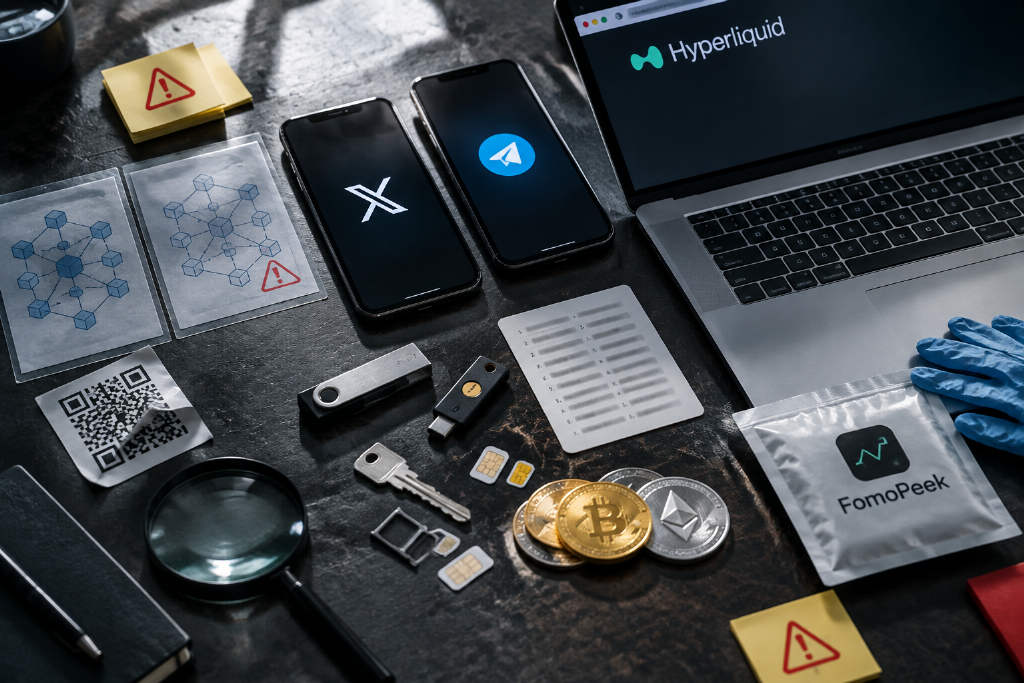
The article details several patterns: fake project websites amplified by KOL reposts, fake recruiting and investment outreach that deliver malware through meeting plugins or coding tests, stolen influencer accounts used to launch tokens, Telegram impersonation and code theft, search-engine phishing pages, Discord wallet-drainer verification, fake airdrop emails, address poisoning, fake mainnets and fake bridges, malicious app updates, and exchange account resets backed by forged identity materials. It also cites examples including a fake Hyperliquid site that led to the theft of about 550,000 USDC and the fake GIWA mainnet, where 1,335 addresses sent roughly 767.65 ETH and about 766.25 ETH was drained.
Its practical advice is consistent throughout: verify official channels, never share login codes or 2FA credentials, isolate devices from large holdings, review exchange permissions beyond just passwords, and treat every link, signature request, and software download with suspicion.